Is it Legal to Collect Rainwater? Understanding the Legality Across States
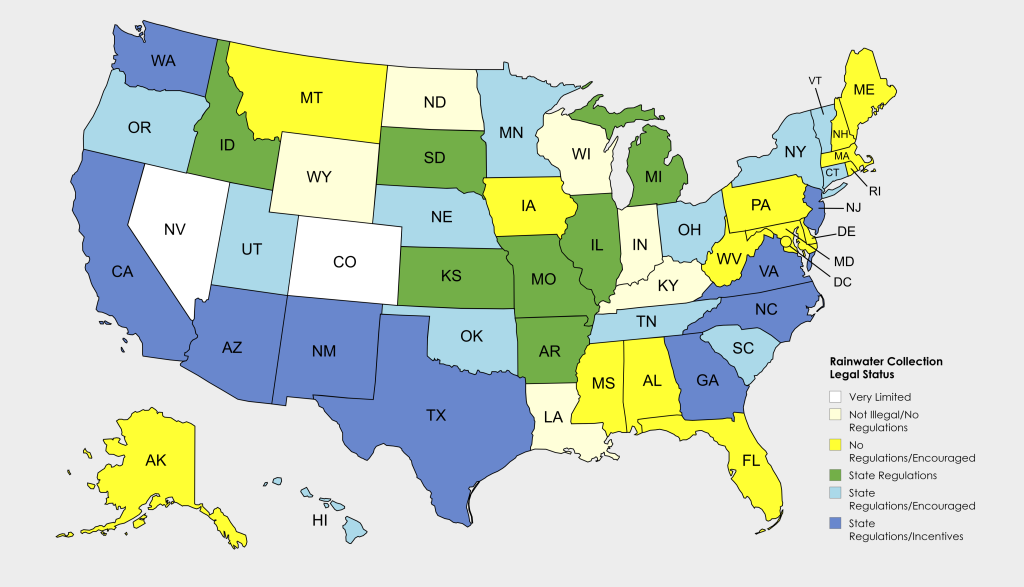
One of the most frequently asked questions about rainwater harvesting is: “Is collecting rainwater illegal?” The short answer is no. In fact, in nearly every state in the U.S., rainwater harvesting is perfectly legal and often encouraged. However, depending on where you live, restrictions or permits may apply, especially when systems are large-scale or tied to potable use.
At Water Storage Tanks, Inc., we believe that knowledge is key to responsible rainwater harvesting. That’s why our team of experts helps you understand the legality of collecting rainwater in your state and how our tanks fit into a safe, compliant system.
States that Encourage Rainwater Collection
Many states actively encourage rainwater harvesting through tax incentives, rebates, and allowances in building codes. In these states, installing a rainwater catchment system, particularly one that includes a professionally designed rainwater collection tank, can also help lower your overall building costs.
These states include Connecticut, Delaware, Florida, Hawaii, Indiana, Maryland, Massachusetts, Michigan, Minnesota, Missouri, Montana, Nebraska, New Hampshire, New Mexico, New York, North Dakota, Pennsylvania, Rhode Island, South Carolina, Texas, Virginia, Washington D.C., and many more.
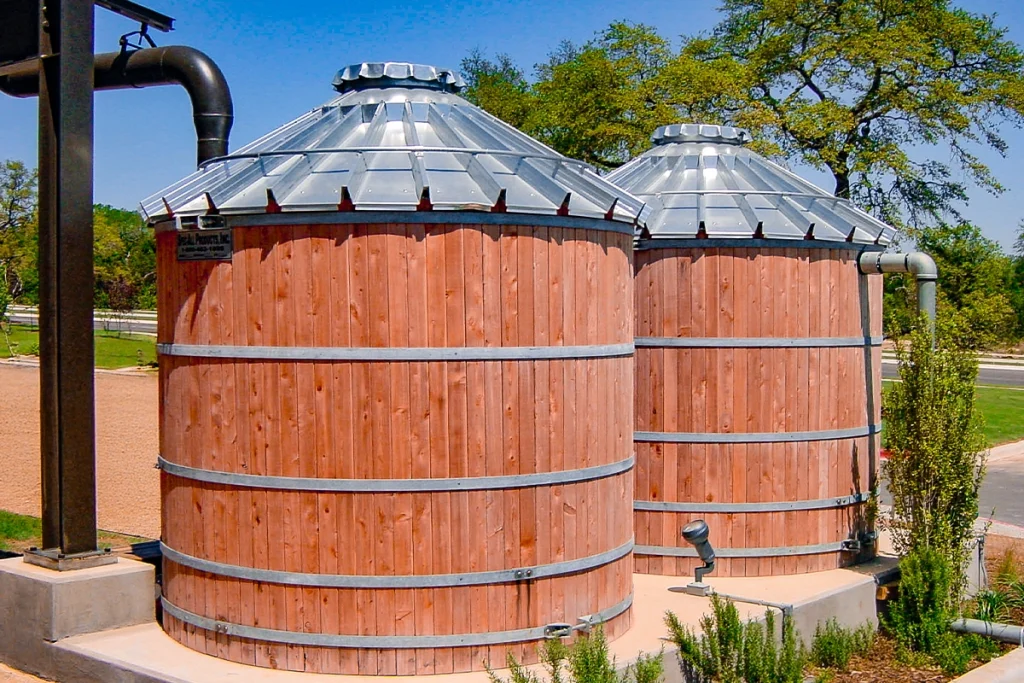
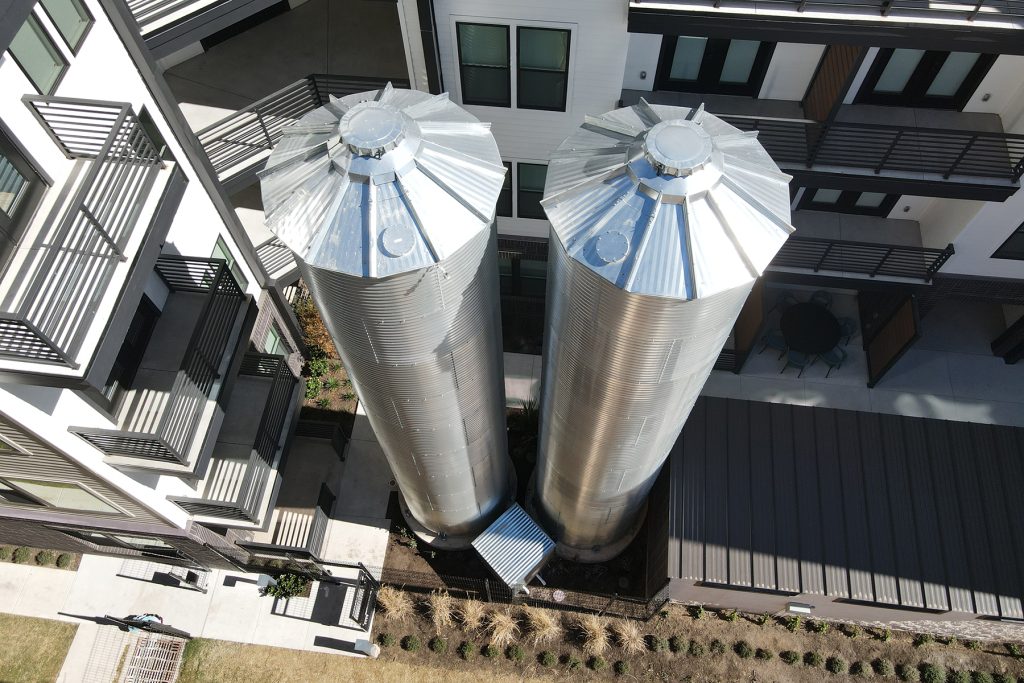
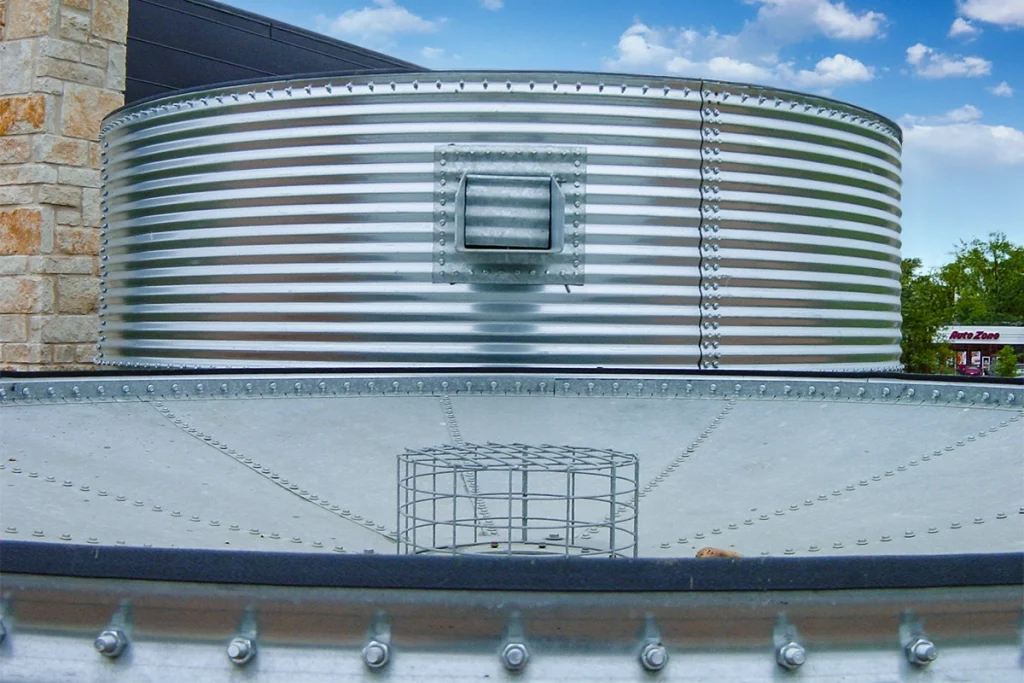
Our CorGal and TimberTank systems meet or exceed structural and regulatory requirements in these states, and our team ensures that implementation adheres to local standards.
States with Specific Restrictions or Permit Requirements
While it’s not illegal to harvest rainwater in any state, some regions enforce regulations regarding the amount that can be collected, the intended use, or the type of rainwater tank required. These rules often stem from historical water rights laws, especially in arid states where water is tightly regulated.
While many states regulate rainwater harvesting through permits and other requirements, states such as Nevada and Colorado are often considered among the most restrictive.
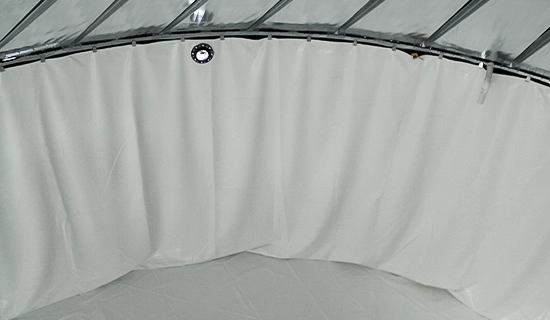
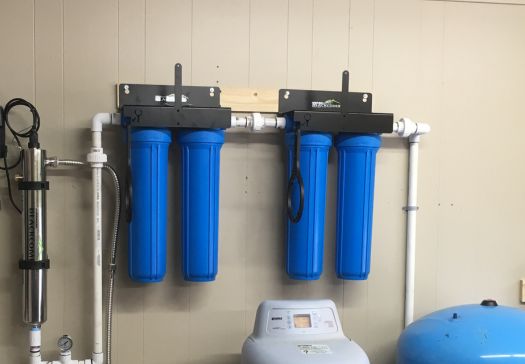
Some regions also differentiate between potable and non-potable uses. In most states, storing rainwater for drinking or cooking purposes requires additional treatment systems and approval from the local health department, particularly for public or commercial use. This is why we offer NSF-61 certified liners for tanks designed for potable rainwater storage, ensuring safety and compliance from the outset.
Why are there Restrictions at all?
Restrictions in rainwater harvesting often stem from the prior appropriation doctrine, which primarily governs water usage in many Western states. The idea is that all precipitation contributes to downstream water rights, and intercepting it, without permits, could legally infringe on others’ access.
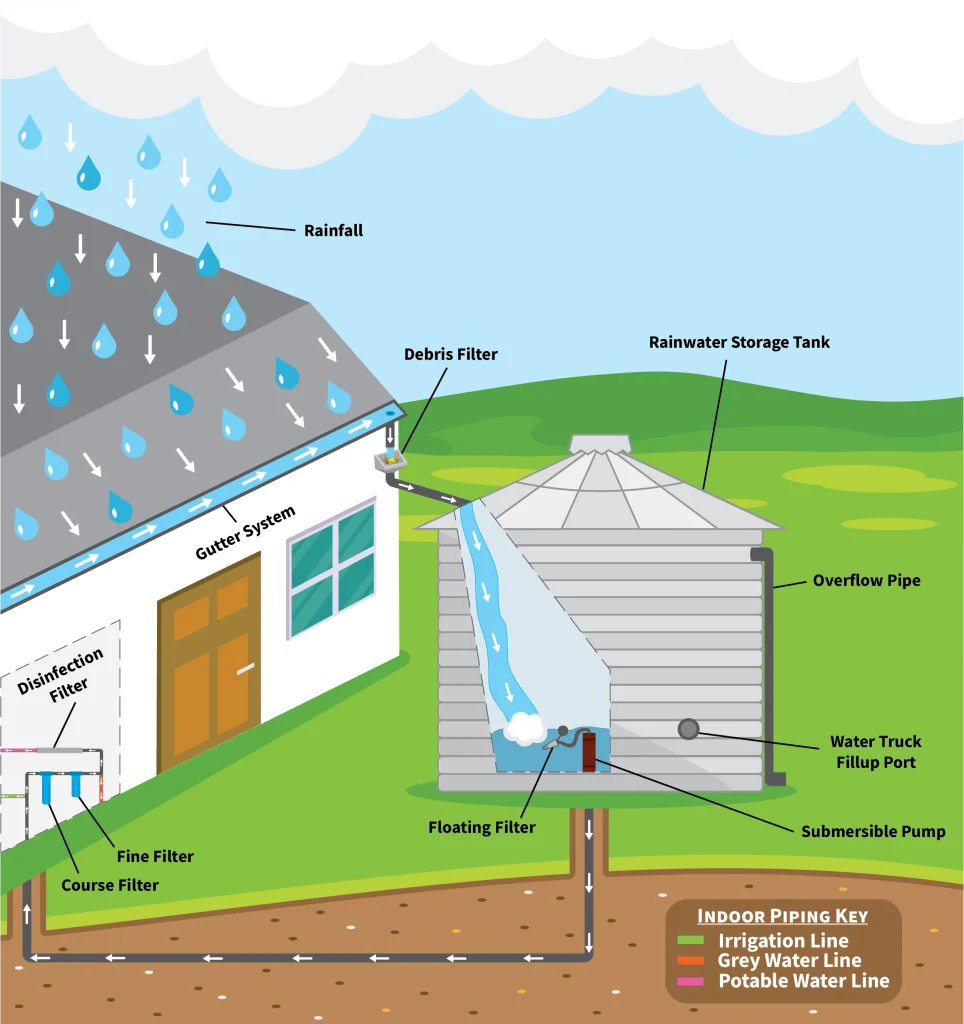
Other restrictions typically relate to standards and regulations surrounding public health and building codes. Any water used for drinking or human contact must meet health regulations, and storage tanks must meet construction, mosquito control, and cross-connection rules. Improper system construction and planning can lead to mosquito breeding, contaminated water, backflow risks into potable plumbing, and other health-related concerns.
That said, most modern water boards recognize that rooftop rainwater harvesting has negligible downstream impact, especially for residential and small-scale commercial systems. Laws have been evolving accordingly, and advocacy has led to more favorable rainwater regulations in recent years.